

Research Overview
The EPES Lab is oriented towards transportation electrification and new energy systems, which facilitates a more sustainable energy structure in communities. We are dedicated to promoting advanced research on Electric Vehicles, eVTOL Aircraft, and Renewable Energy Systems. Major research directions focus on:
(1) AI and Control Techniques for Electrical Motors
(2) Power Electronics Topology and Control
(3) Grid-Connection in Power Systems
(4) Battery Management Systems
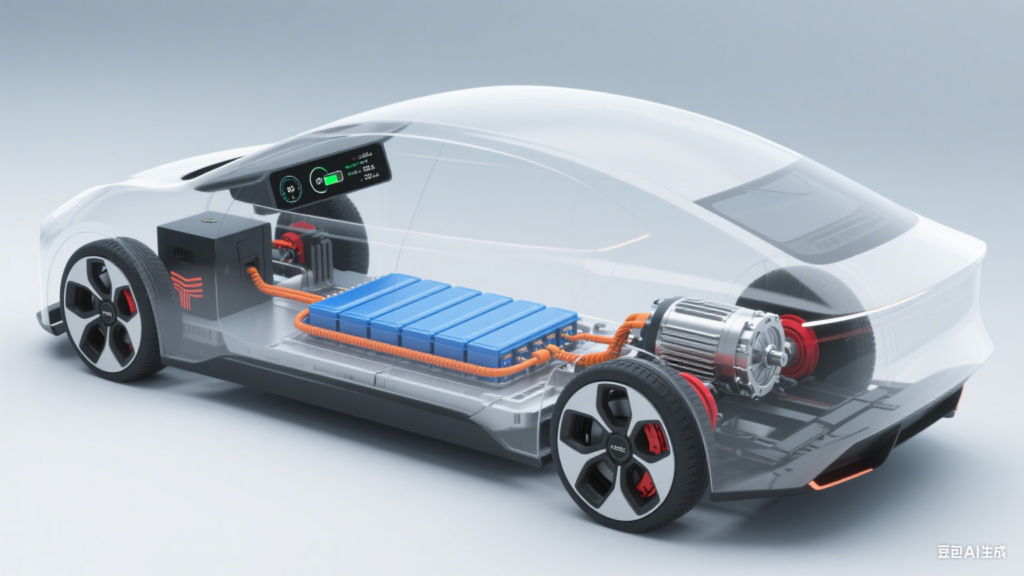
Electric Vehicle

Railway Systems
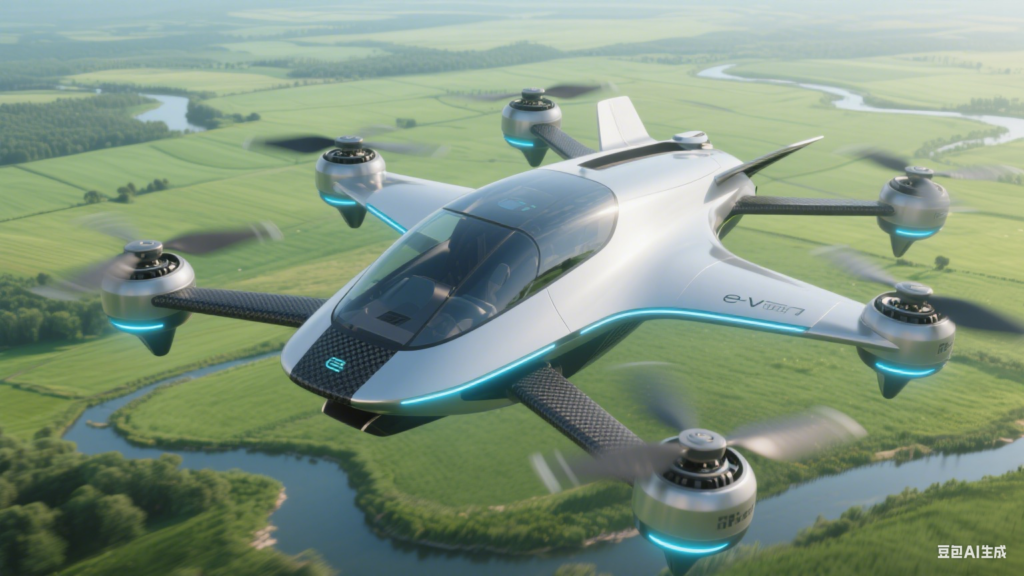
Electric Aircraft
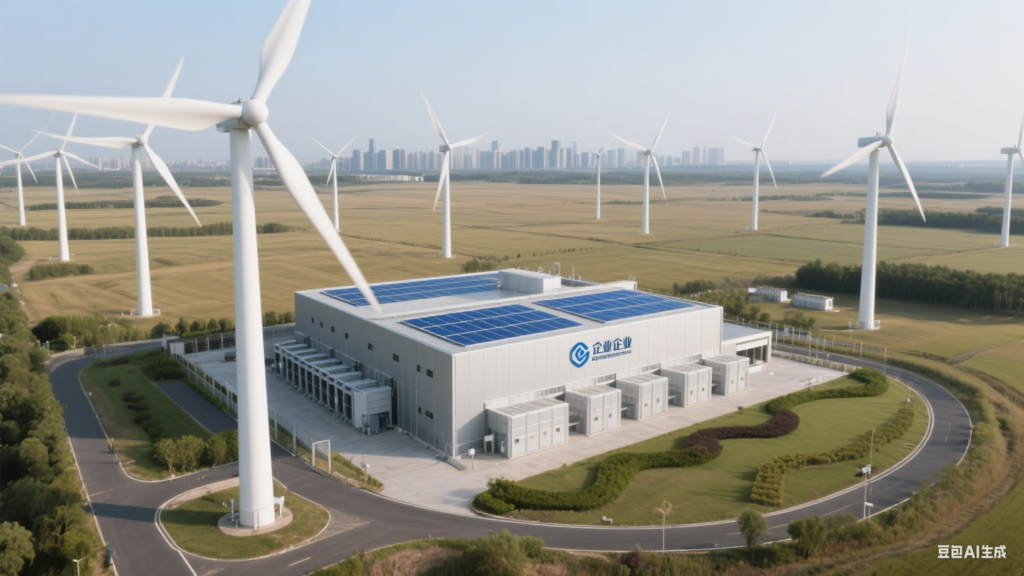
Wind Power System with Battery Storage

Research Focuses
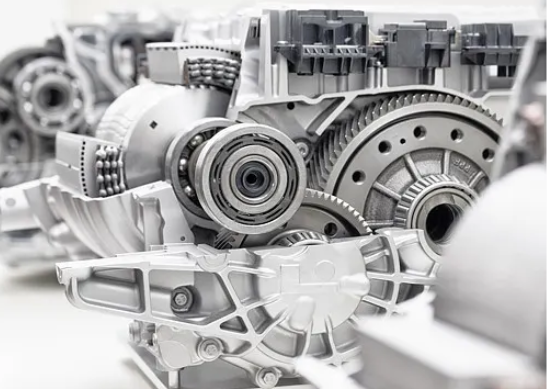
Permanent Magnet Synchronous Machines and Drives
Permanent magnet synchronous motors are dominant in electric propulsion and wind energy systems due to their high efficiency and power density. Our research works for high-power motor drive applications, such as electric vehicles and eVTOL aircraft.
- Optimal control at full-speed range: from zero-speed, high-speed to six-step operation
- Motor parameter identification techniques: offline identification and online estimation
- Advanced modulation and power converters for high-power applications
- Sensor virtualization techniques: position sensors, current sensors & temperature sensors
- Robotic servo motor control: precise control techniques for high-bandwidth robotics

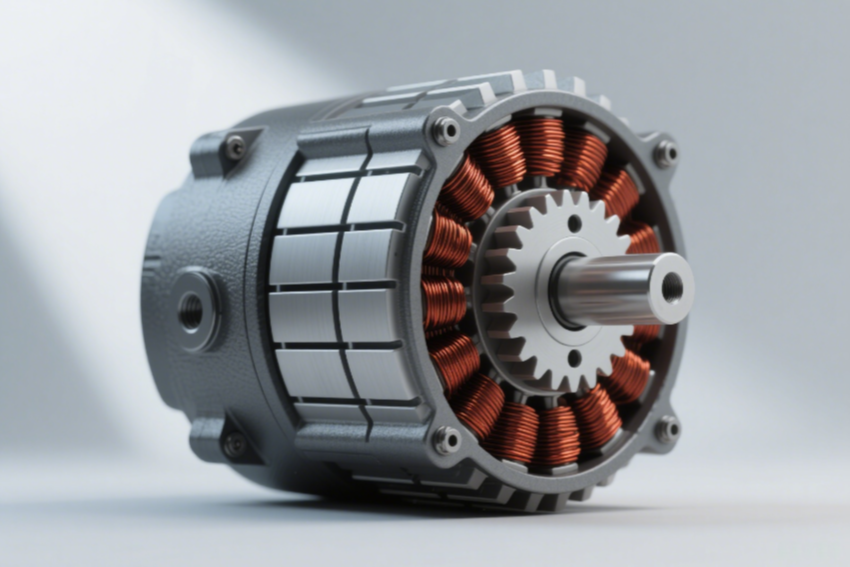
Rare-Earth-Free Electrical Machines and Drives
Rare-earth materials are used in high-efficiency electrical motors for transportation and renewable energy systems. However, as non-renewable resources, rare-earth materials cause environmental pollution and higher costs, not in line with the law of sustainable technology. Our research focuses on rare-earth-free electrical machine systems to overcome the above issues, with following directions for high efficiency, low torque ripples, and wide speed operation:
- Switched reluctance motors (SRM) & control techniques
- Synchronous reluctance motors & control techniques
- Power converter topology for efficient reluctance drives

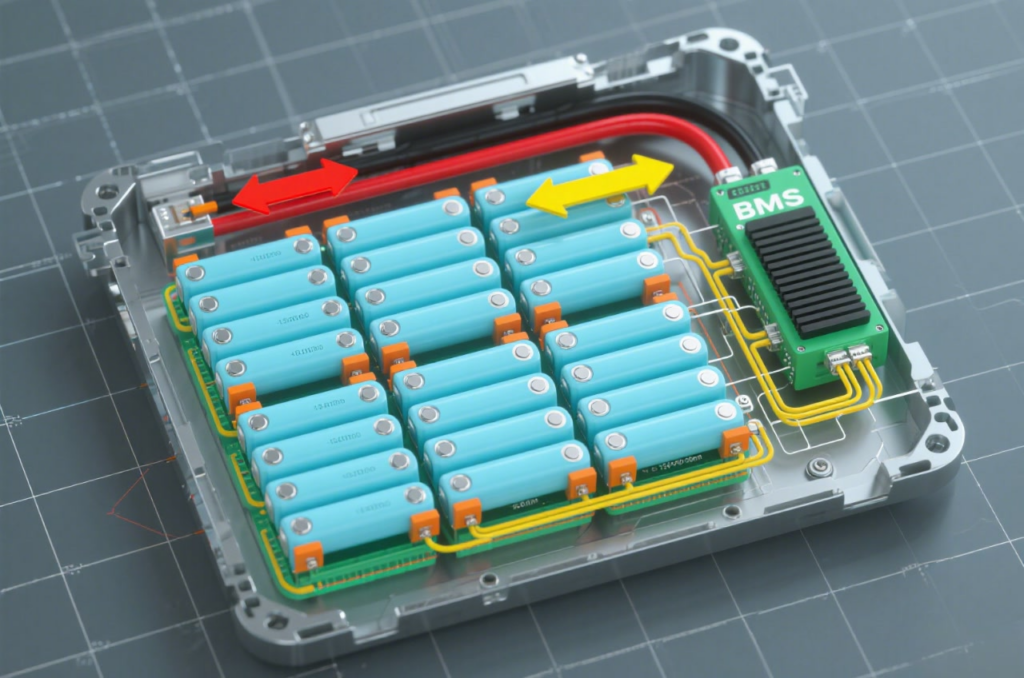
Battery Management Systems
Battery-powered electrical machine systems are essential for transportation electrification as the energy source and energy buffer. The battery management system (BMS) works as a central control unit to guarantee safe, accurate, and efficient battery operation in vehicles, aircraft, and energy storage stations. The EPES Lab focuses the research techniques on advanced BMS:
- Battery state monitoring algorithms for State of X (charge, health, energy, power, etc)
- Battery equalizer: power electronics topology and balancing control
- Battery-machine integrated modeling and control
- Retired Battery Detection and Cascaded battery reusage
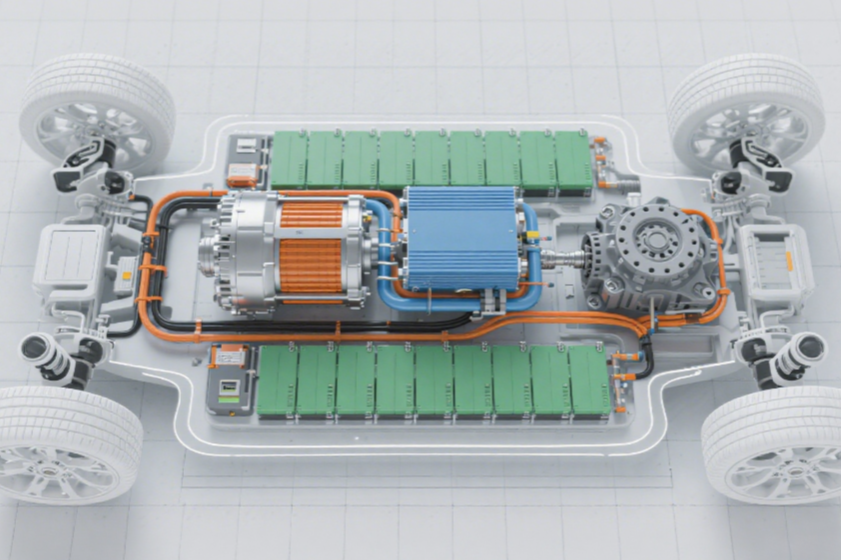
High-Power Full-Electric Powertrain Systems for EVs and eVTOL Aircraft
EPES Lab conducts research for high-power electric vehicles (EVs) and electric vertical takeoff and landing (eVTOL) aircraft. Research focuses on system integration, modeling, and control for high-power battery management systems, electrical machines and drives, and power converters. The experimental setup has the following components to offer full-electric powertrain testing:
- Peak 100 kW electrical machine dyno testing with 18000 rpm as the maximum speed
- Bi-direction battery simulators and testers
- High-power converter tests in both motoring and generating conditions
- Precise measurement of system efficiency, operating states, and energy conversion

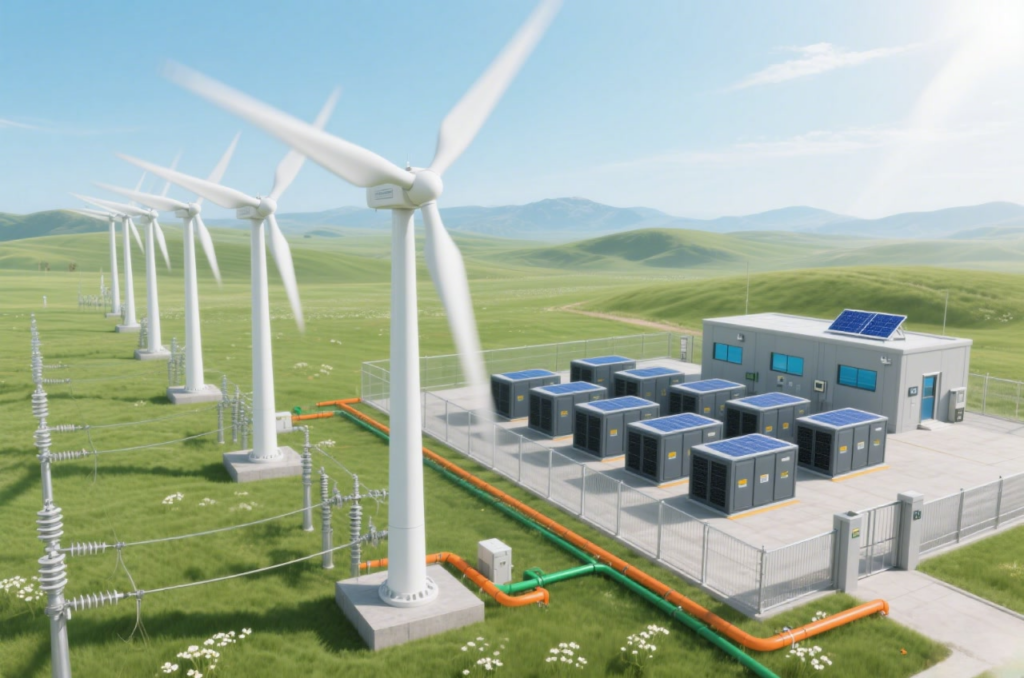
Grid Connections in Power Systems
With the development of renewable energy technology, control of new power systems is important for improving power transmission capability. We utilize the most advanced Hardware-in-the-Loop simulation technology to conduct research on modeling, analysis, and control techniques for wind power systems. Specific research areas are:
- Large-scale wind power generator farm: structure, stability, and control
- Hardware-in-loop techniques
- Grid-connected control: grid-forming and grid-following control

Permanent Magnet Motors (3 and 6-phases)
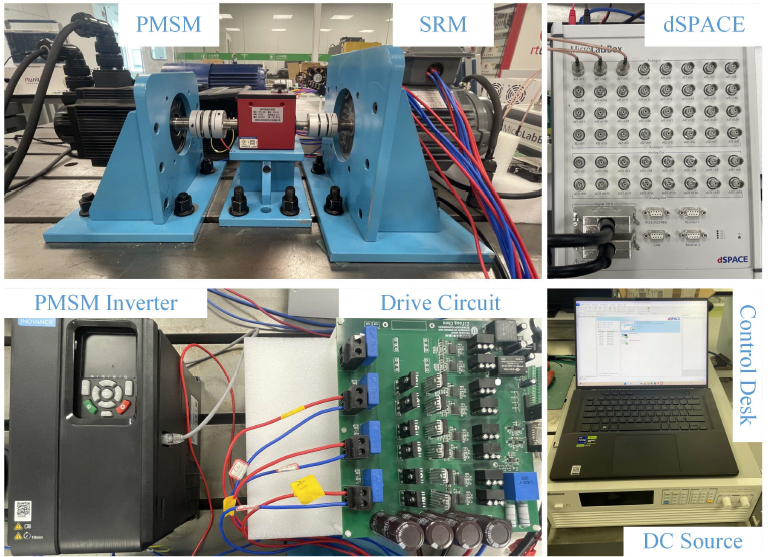
Reluctance Motor Drives
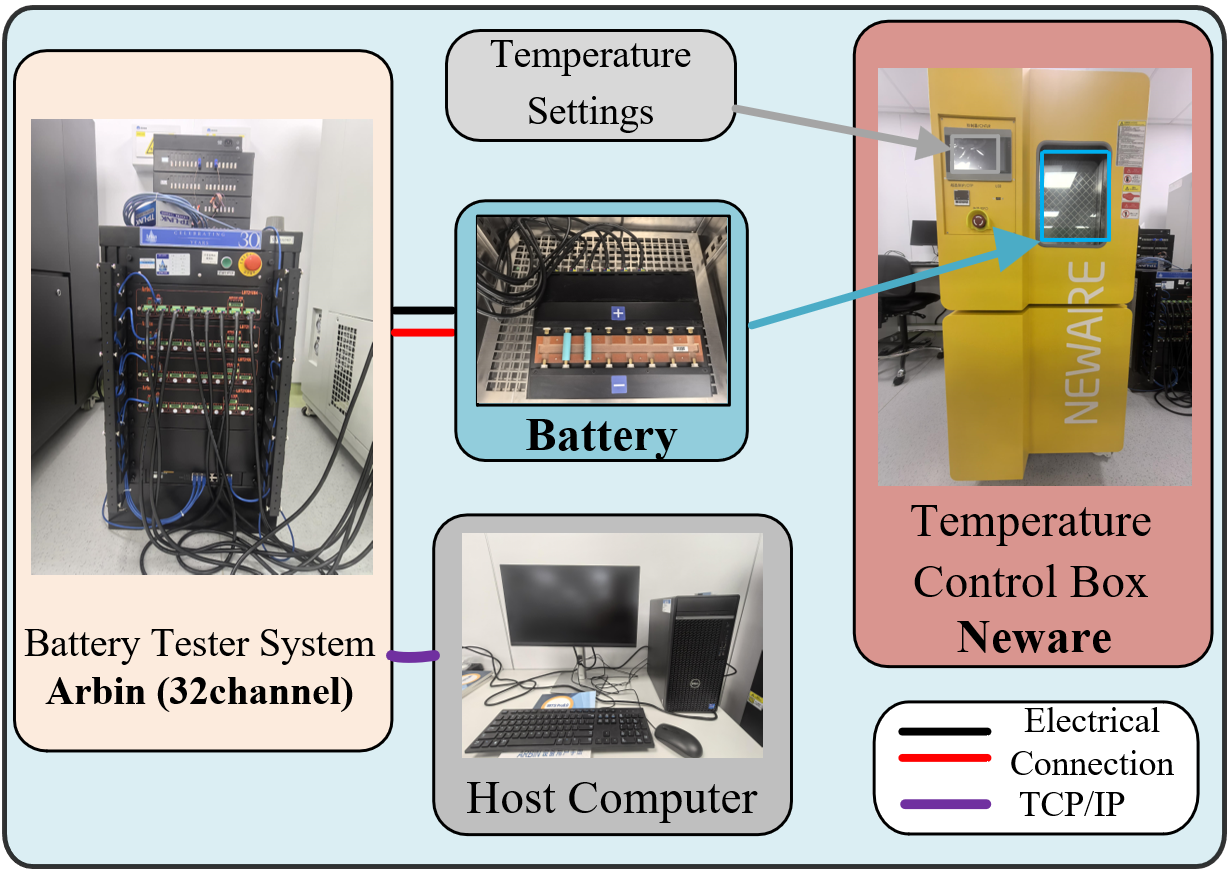
Arbin Battery Tester and Chambers
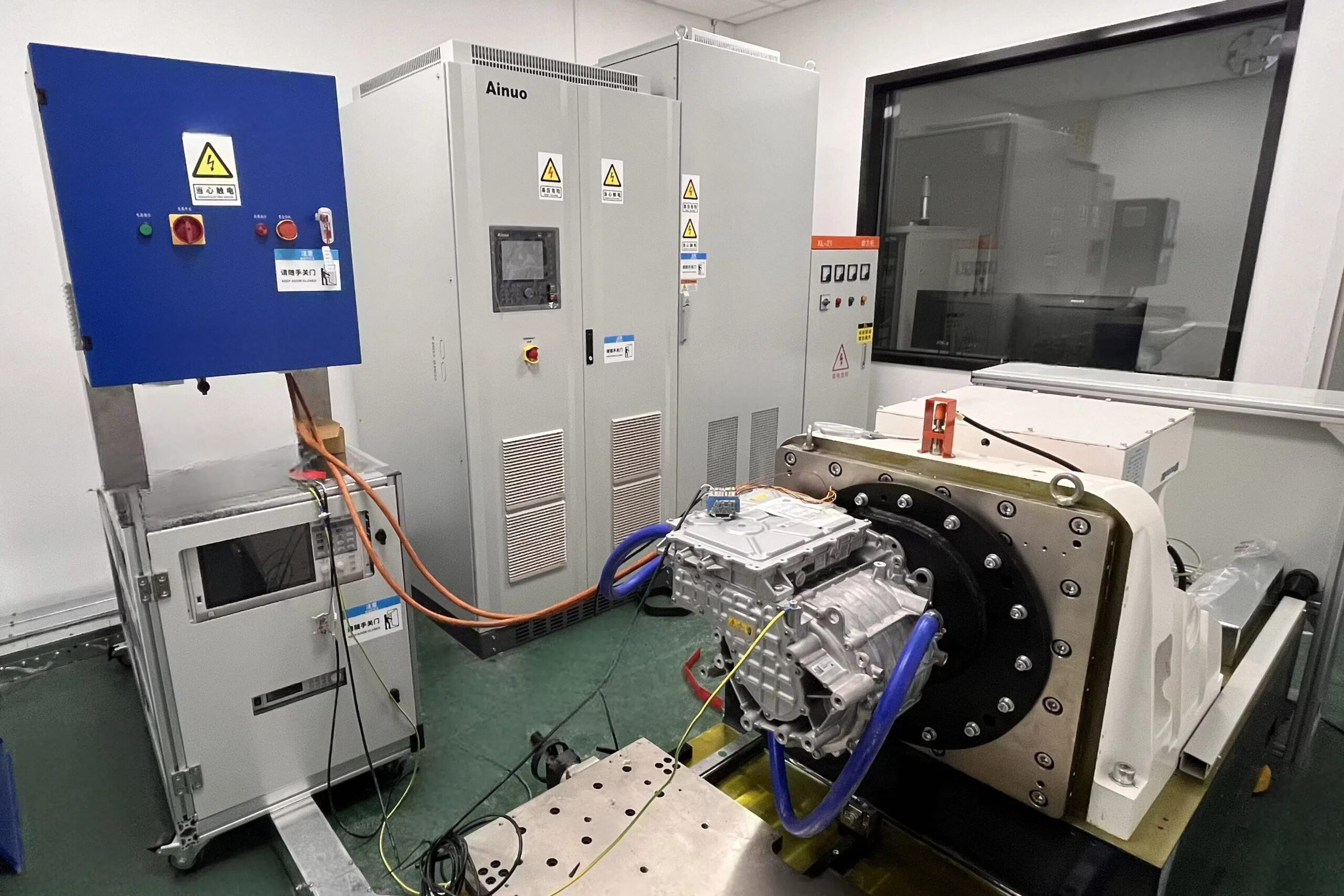
100 kW Powertrain Testing Platform
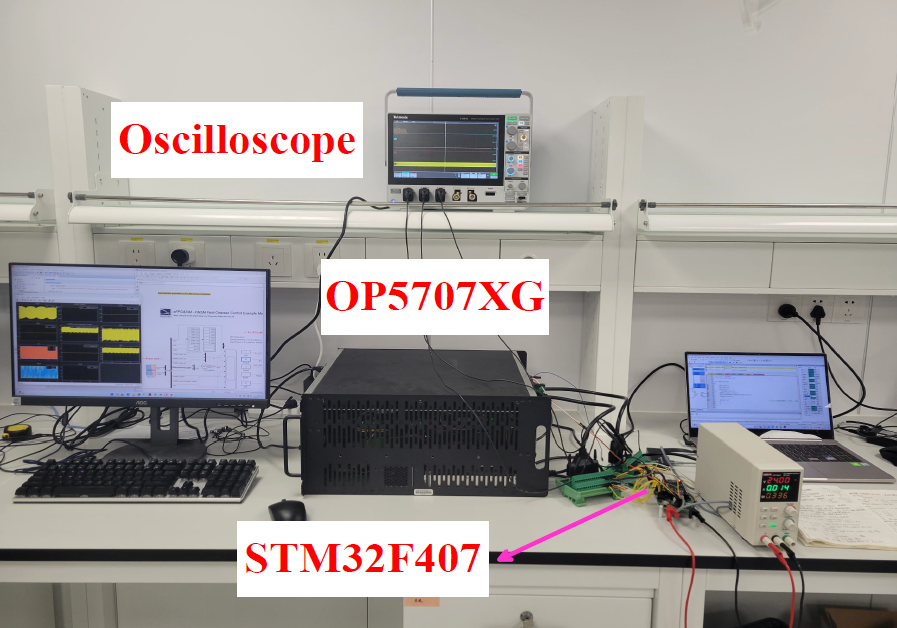
OPRT Hardware-in-loop Testing Setup
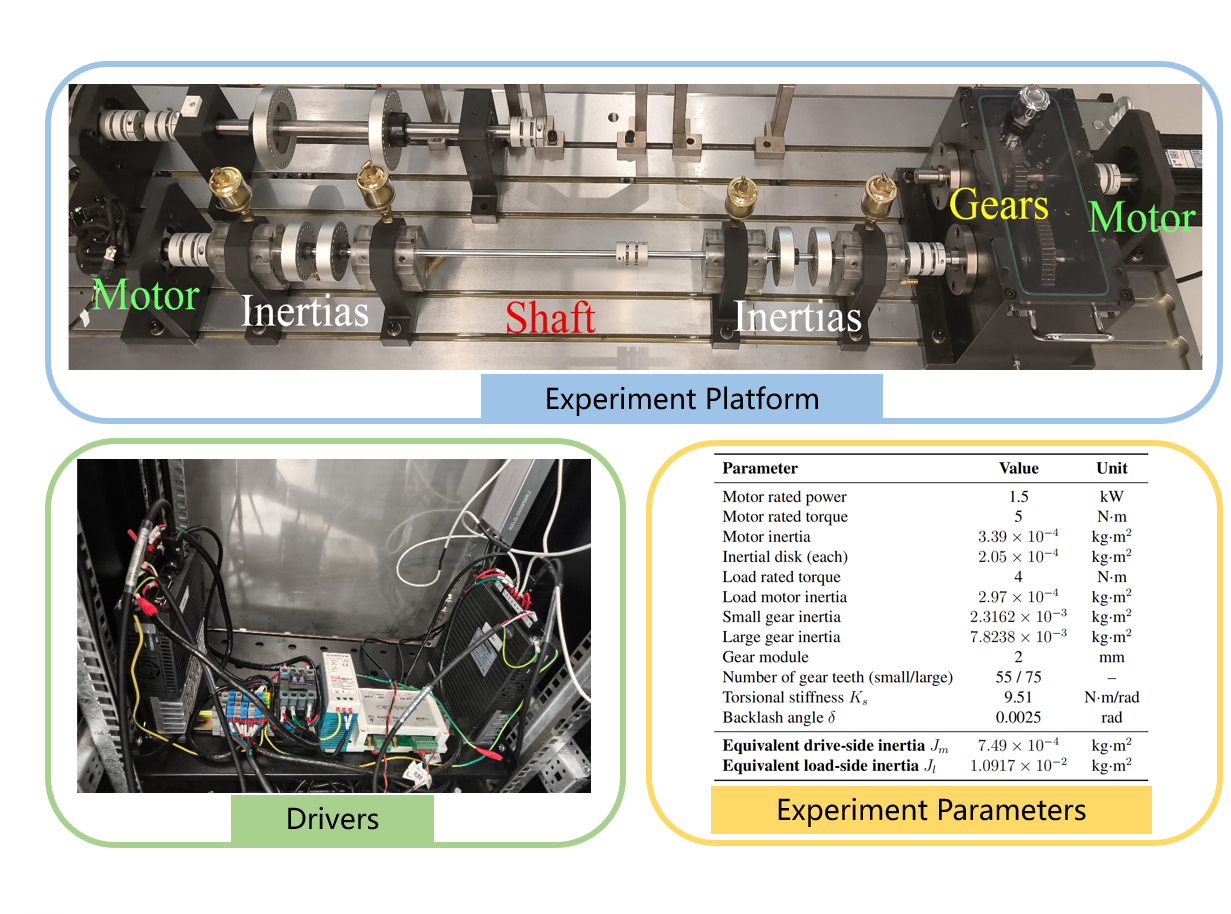
Multiple Motor Mechatronics Systems
Research Methodology
As a research lab, we mainly study on following research methodology for solving scientific problems:
(1) Algorithms: artificial intelligence (LLM, Agent, ML & DL), model prediction, state observers, optimization
(2) Modeling: small/large-signal approximation, linear & nonlinear stability, multi-domain analyses for models
(3) Hardware: power electronics topology derivation, multi-physics field analyses for machines

Research Fund
| Funding Agency | Area |
|---|---|
| National Natural Science Foundation of China, Young Professional Grant | Reluctance Motor Control |
| IEEE Foundation, IEEE Myron Zucker Student-Faculty Grant | AI for Motor Drives |
| Young Elite Scientists Sponsorship Program by Chinese Society for Electrical Engineering | Wind Power Generator |
| International Science and Technology Cooperation Project of Guangdong Province | Axial Flux Motor Systems |
| Guangdong-Hong Kong “1+1+1” Joint Funding Program | GaN Semiconductor and applications |
| The Basic and Applied Basic Research Fund of Guangdong Province: NSF General Project | Wind Power Systems |
| Hunan Province Natural Science Fund, General Project | Rail Transit Traction System |
| Guangdong Province University Characteristic Innovation Project | Wind Power Generator |
| The Basic and Applied Basic Research Fund of Guangdong Province: Youth Fund | Permanent Magnet Motor Control in EV |
| The Basic and Applied Basic Research Fund of Guangdong Province: Cultivation Project | Permanent Magnet Motor Control in EV |
| Guangdong Provincial Association for Science and Technology, Youth S&T Talent Support Programme | Film-capacitor Motor Drives |
| Young Elite Scientists Sponsorship Program by Guangzhou Association for Science & Technology | Permanent Magnet eVTOL Propulsion Systems |
| Guangzhou Municipal Education Bureau, Yangcheng Scholar | eVTOL Powertrain Systems |
| Guangzhou-HKUST(GZ) Joint Funding Scheme, Basic and Applied Basic Research Project | Reluctance Motor Control in EV |
| Guangzhou Basic and Applied Basic Research Project, General Fund | Permanent Magnet Motor Control in EV |
| Low Altitude Systems and Economy Research Institute (LASERi) Seed Fund of HKUST(GZ) | eVTOL Powertrain Systems |
| Industry Cooperation | eVTOL, aircraft, railway train, robotics, power grid… |